
Housekeeping Course: What Students Learn and Career Options
The hospitality industry depends on more than comfortable rooms and excellent guest service. Cleanliness, hygiene, room presentation and attention to detail are equally important for creating a positive hotel experience. This is why housekeeping is one of the most essential departments in hotels, resorts and other hospitality businesses.
For students interested in entering the hotel industry, a housekeeping course can provide useful knowledge and practical skills. This guide explains what students learn, the training involved and the career opportunities available after completing a housekeeping programme at an institute such as Servo Institute of Hotel Management, Dehradun.
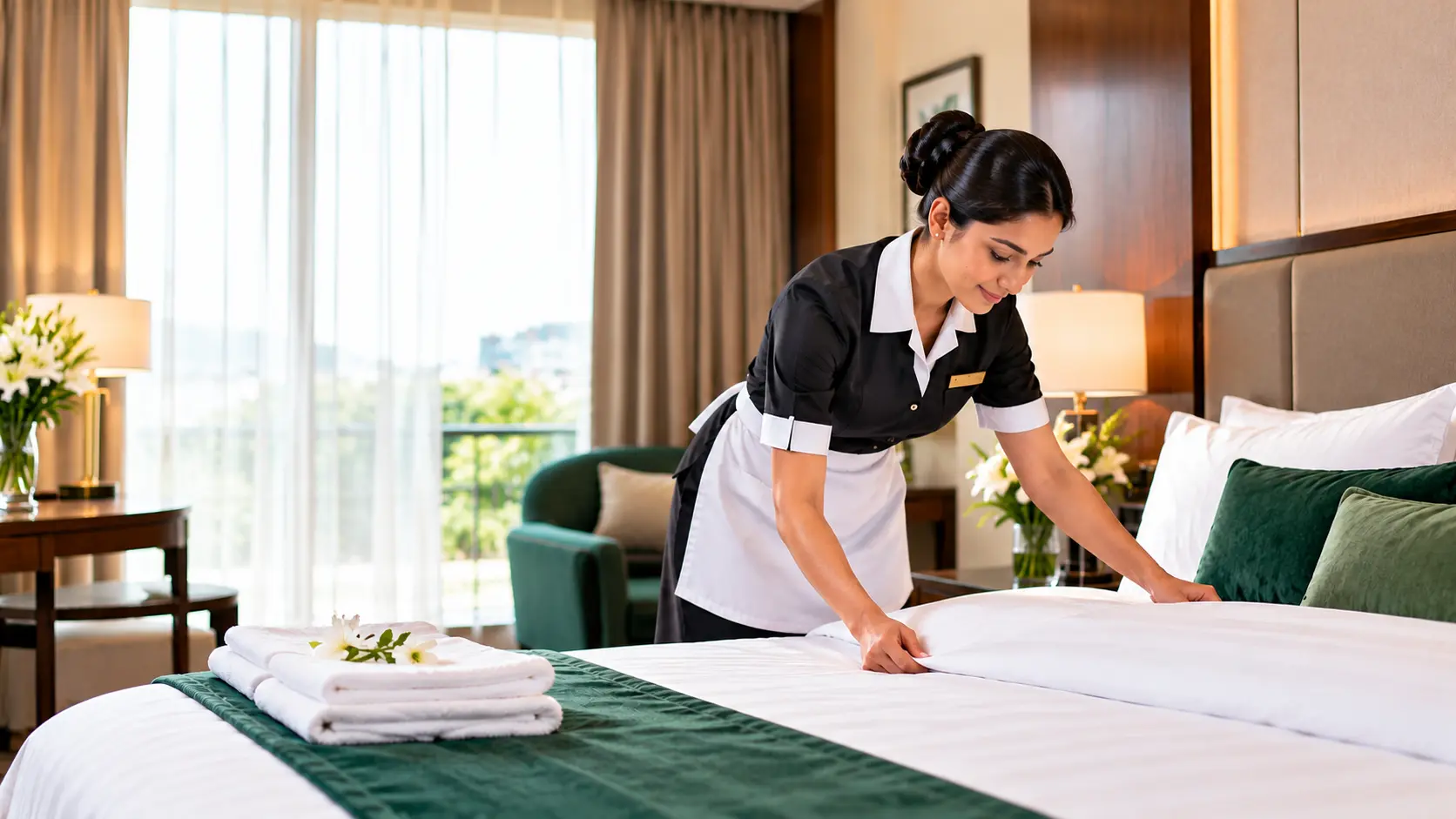
A housekeeping course teaches students hotel cleaning procedures, guest room preparation, bed-making, linen management, cleaning equipment, hygiene standards and housekeeping operations. After training, students can explore roles such as room attendant, housekeeping attendant, laundry attendant and public area attendant.
What Is a Housekeeping Course?
A housekeeping course is a hospitality training programme that teaches students how to maintain cleanliness, organisation, hygiene and service standards in professional environments.
In hotels, the housekeeping department is responsible for preparing guest rooms, maintaining public areas, managing linen and ensuring that the property remains clean and presentable.
Depending on the programme, students may learn:
- Hotel housekeeping operations and procedures.
- Guest room cleaning and preparation.
- Bed-making and linen management.
- Cleaning equipment and materials.
- Hygiene and sanitation standards.
- Bathroom cleaning and maintenance.
- Public area cleaning.
- Room inspection procedures.
- Inventory and housekeeping supplies management.
- Workplace safety and professional conduct.
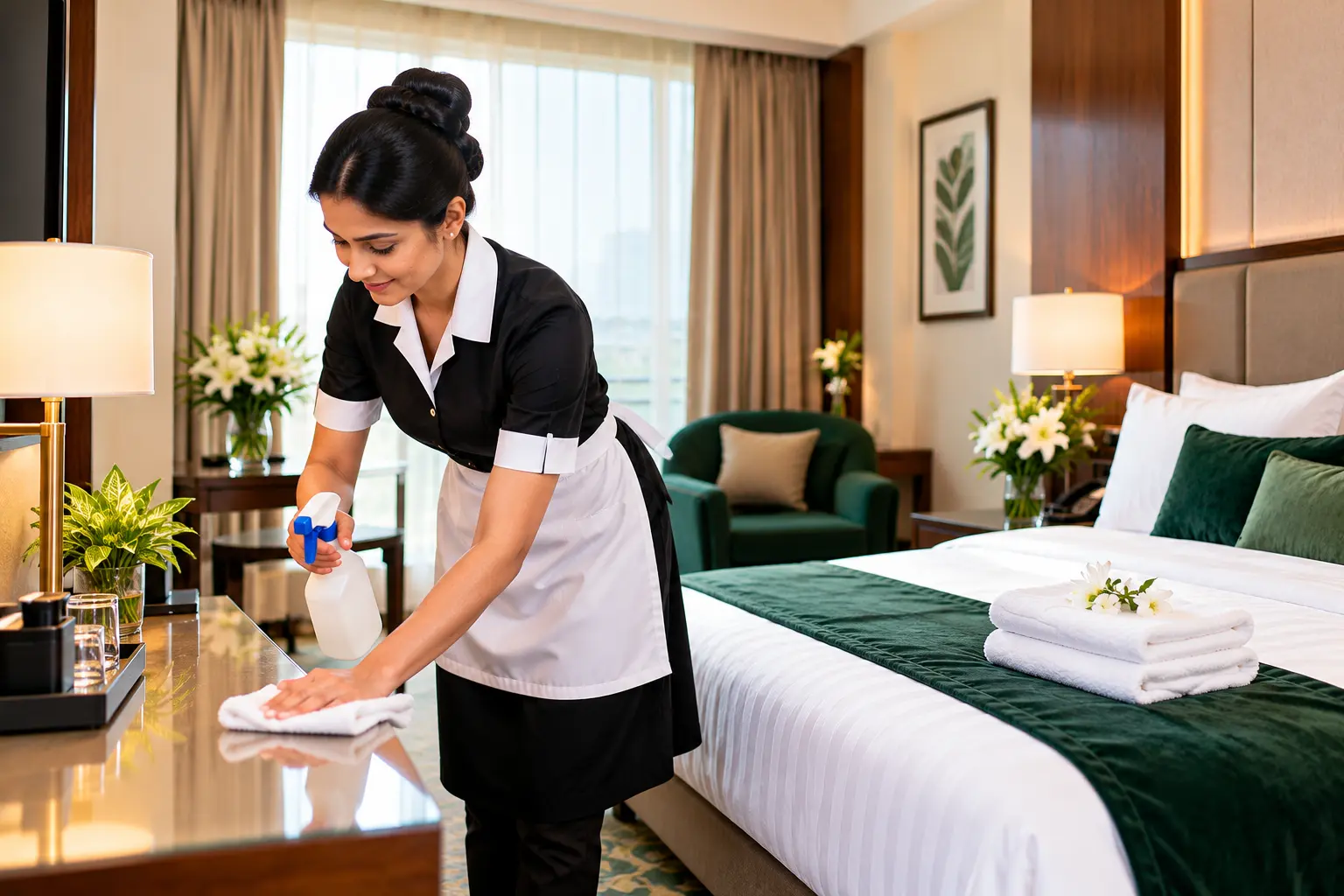
Practical training is an important part of housekeeping education because students need to understand how professional cleaning and room preparation tasks are performed in hotel environments.
Why Is Housekeeping Important in the Hotel Industry?
Housekeeping has a direct influence on how guests experience a hotel. Visitors expect clean rooms, fresh linen, hygienic bathrooms and properly maintained surroundings during their stay.
Even a hotel with excellent facilities can create a poor impression if housekeeping standards are not maintained.
Some important responsibilities of the housekeeping department include:
Preparing rooms, arranging linen and maintaining guest comfort.
Following appropriate cleaning and sanitation procedures.
Keeping hotel lobbies, corridors and shared spaces presentable.
Responding to room-related guest requests and coordinating services.
What Do Students Learn in a Housekeeping Course?
A housekeeping course introduces students to different responsibilities performed by professional hotel housekeeping teams. The exact subjects depend on the institute, programme level and curriculum.
1. Hotel Housekeeping Operations
Students learn how a hotel housekeeping department works and how its different responsibilities are organised.
- Introduction to hotel housekeeping.
- Organisation of the housekeeping department.
- Roles and responsibilities of housekeeping employees.
- Daily housekeeping schedules.
- Standard operating procedures.
- Communication with front office and maintenance teams.
- Housekeeping records and reporting.
Understanding departmental operations helps students recognise how individual tasks contribute to the smooth functioning of a hotel.
2. Guest Room Cleaning and Preparation
Guest room preparation is one of the central responsibilities of hotel housekeeping. Students learn how to clean and arrange rooms according to professional standards before guests arrive or after guests check out.
Practical activities may include:
- Checking room conditions before cleaning.
- Removing used linen and waste.
- Making beds and arranging fresh linen.
- Dusting furniture and surfaces.
- Cleaning floors and other room areas.
- Arranging guest amenities.
- Checking bathroom cleanliness.
- Reporting missing or damaged items.
Students also learn the importance of completing tasks carefully and following a consistent cleaning sequence.
3. Bed Making and Linen Management
Bed presentation is an important part of hotel room standards. Housekeeping employees need to prepare beds neatly and maintain the required appearance of guest rooms.
Students may learn:
- Different types of hotel linen.
- Basic bed-making procedures.
- Handling used and fresh linen.
- Linen storage and organisation.
- Checking linen condition.
- Understanding linen room operations.
- Maintaining linen inventory.
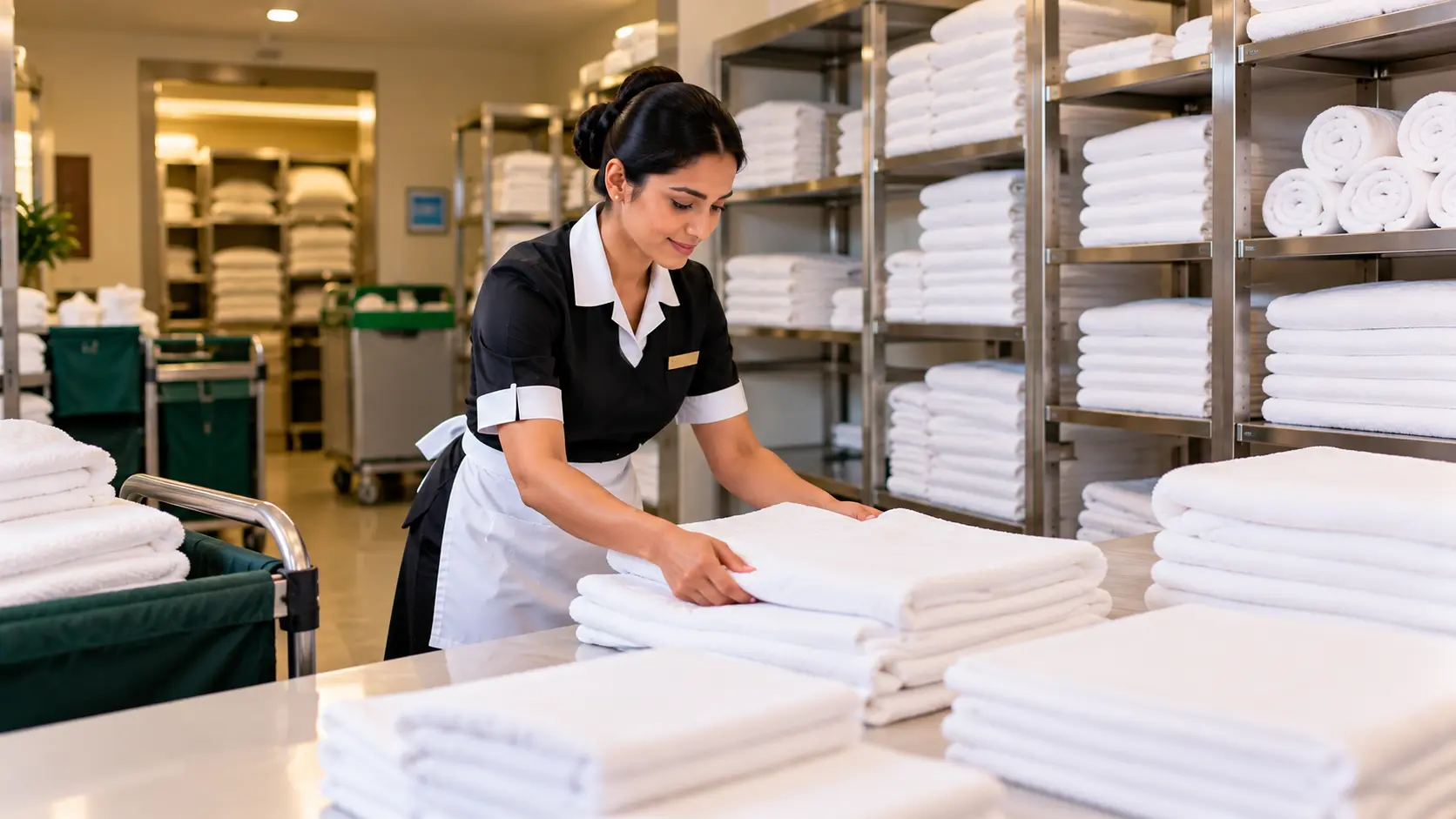
Linen management also involves coordination and stock control. Employees must ensure that sufficient clean linen is available for the hotel's daily requirements.
4. Cleaning Equipment and Chemicals
Professional housekeeping requires the correct selection and use of cleaning tools, equipment and cleaning products. Students learn about common housekeeping materials and how to use them appropriately.
These may include:
- Vacuum cleaners.
- Mops and cleaning cloths.
- Brushes and dusting tools.
- Floor cleaning equipment.
- Glass cleaning materials.
- Bathroom cleaning products.
- Surface cleaning solutions.
- Waste collection equipment.
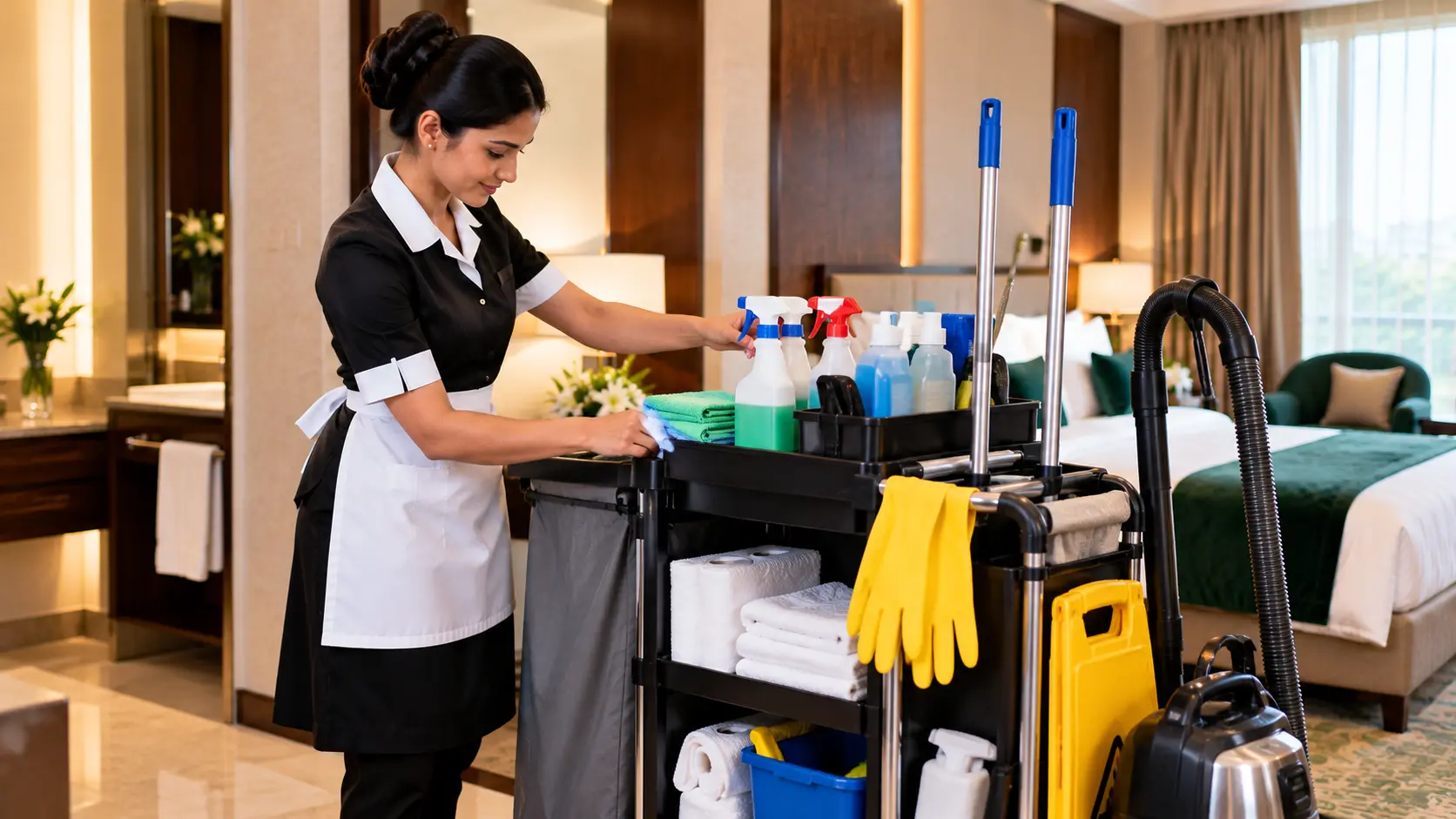
An important part of training is understanding product instructions, safe handling procedures, protective equipment and the suitability of cleaning agents for different surfaces. Cleaning chemicals should never be mixed unless the manufacturer's instructions specifically allow it.
5. Bathroom Cleaning and Hygiene Standards
Bathrooms require careful cleaning because guests expect them to be hygienic and properly maintained. Housekeeping training introduces students to bathroom cleaning procedures, sanitation practices and attention to detail.
- Cleaning washbasins and bathroom surfaces.
- Maintaining toilets and shower areas.
- Cleaning mirrors and fittings.
- Replacing towels and bathroom amenities.
- Disposing of waste properly.
- Reporting leaks and maintenance concerns.
- Following appropriate hygiene procedures.
6. Public Area Cleaning and Maintenance
Housekeeping responsibilities are not limited to guest rooms. Hotel teams also maintain shared areas used by guests, visitors and employees.
These areas can include:
- Hotel lobbies and reception surroundings.
- Corridors and staircases.
- Lifts and lift lobbies.
- Restaurants and public washrooms.
- Meeting and conference areas.
Students learn that public area cleaning requires planning because these spaces may remain in use throughout the day.
7. Inventory Control and Lost and Found Procedures
Housekeeping departments manage several supplies, including linen, cleaning materials, guest amenities and equipment. Students may learn how to monitor supplies, maintain inventory records, report shortages and support the efficient use of housekeeping resources.
Another important responsibility is lost and found management. When a guest leaves an item behind, employees must follow the hotel's procedures for reporting, recording, storing and returning the property. Accuracy, honesty and confidentiality are important in handling these situations.
Practical Training in Housekeeping
Practical training allows students to apply the knowledge they develop in the classroom. Instead of only reading about cleaning procedures, learners get opportunities to practise tasks under suitable supervision.
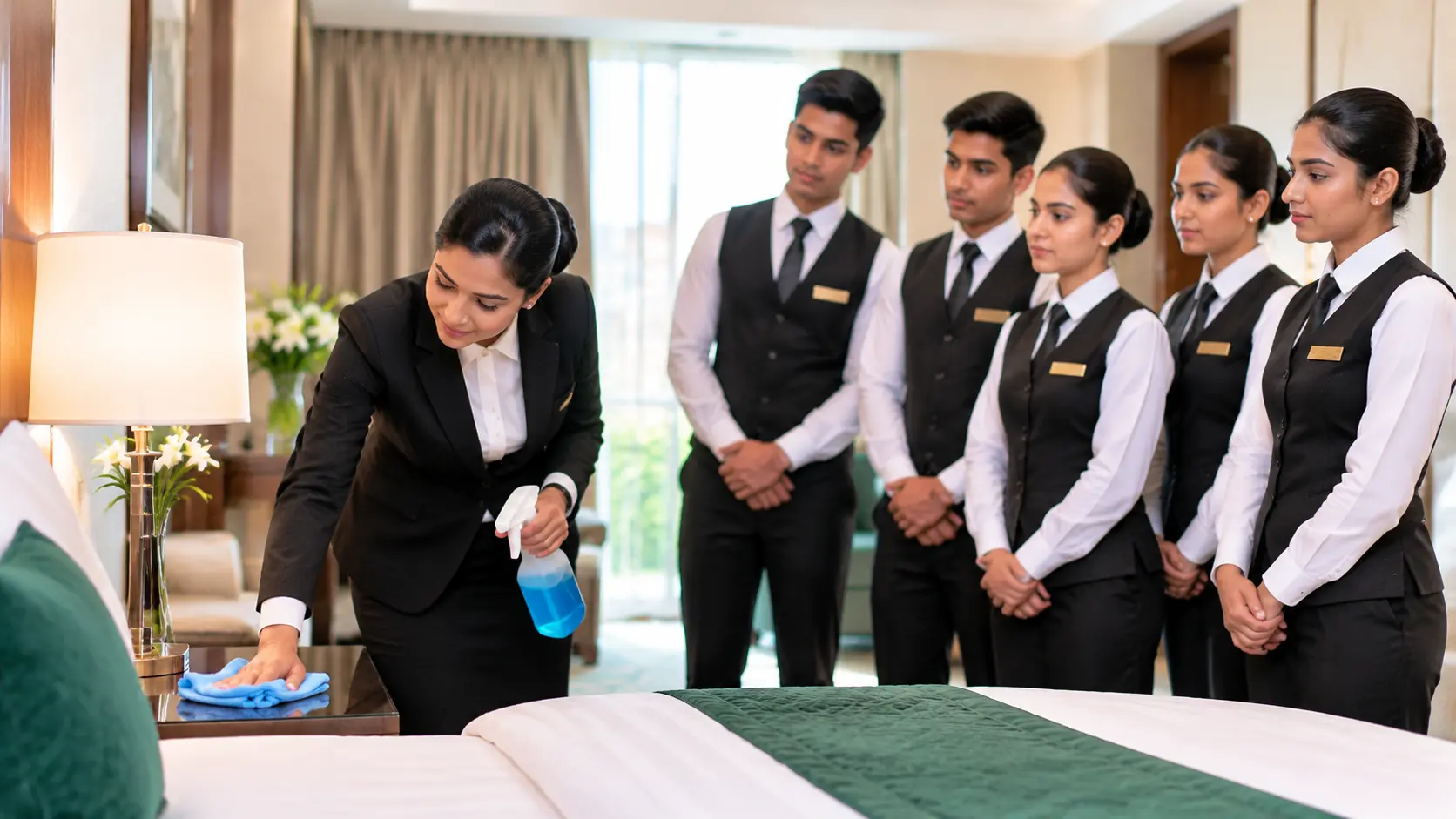
Depending on the institute and programme, practical training can involve:
- Preparing and arranging guest rooms.
- Practising professional bed-making.
- Cleaning different surfaces.
- Learning linen handling procedures.
- Using housekeeping equipment.
- Following cleaning sequences.
- Understanding room inspection procedures.
- Practising briefing and reporting activities.
Practical exposure can help students become more familiar with workplace expectations and develop confidence in performing assigned tasks.
Students can also explore housekeeping-related occupational information through the National Skill Development Corporation (NSDC) website.
Skills Required for a Career in Hotel Housekeeping
A successful housekeeping professional needs a combination of practical abilities and professional behaviour.
Noticing unclean surfaces, missing amenities and room presentation issues.
Completing assigned tasks within operational schedules.
Coordinating with supervisors, colleagues and other hotel departments.
Working with colleagues to maintain daily housekeeping standards.
Managing linen, cleaning materials, room supplies and daily schedules.
Maintaining courtesy, punctuality, honesty and respect for guest privacy.
These skills can be developed through regular practice, guidance and professional experience.
Career Opportunities After a Housekeeping Course
Completing a housekeeping course can help students prepare for entry-level roles in hotel housekeeping and related hospitality operations. Career opportunities depend on qualifications, experience, practical skills and employer requirements.
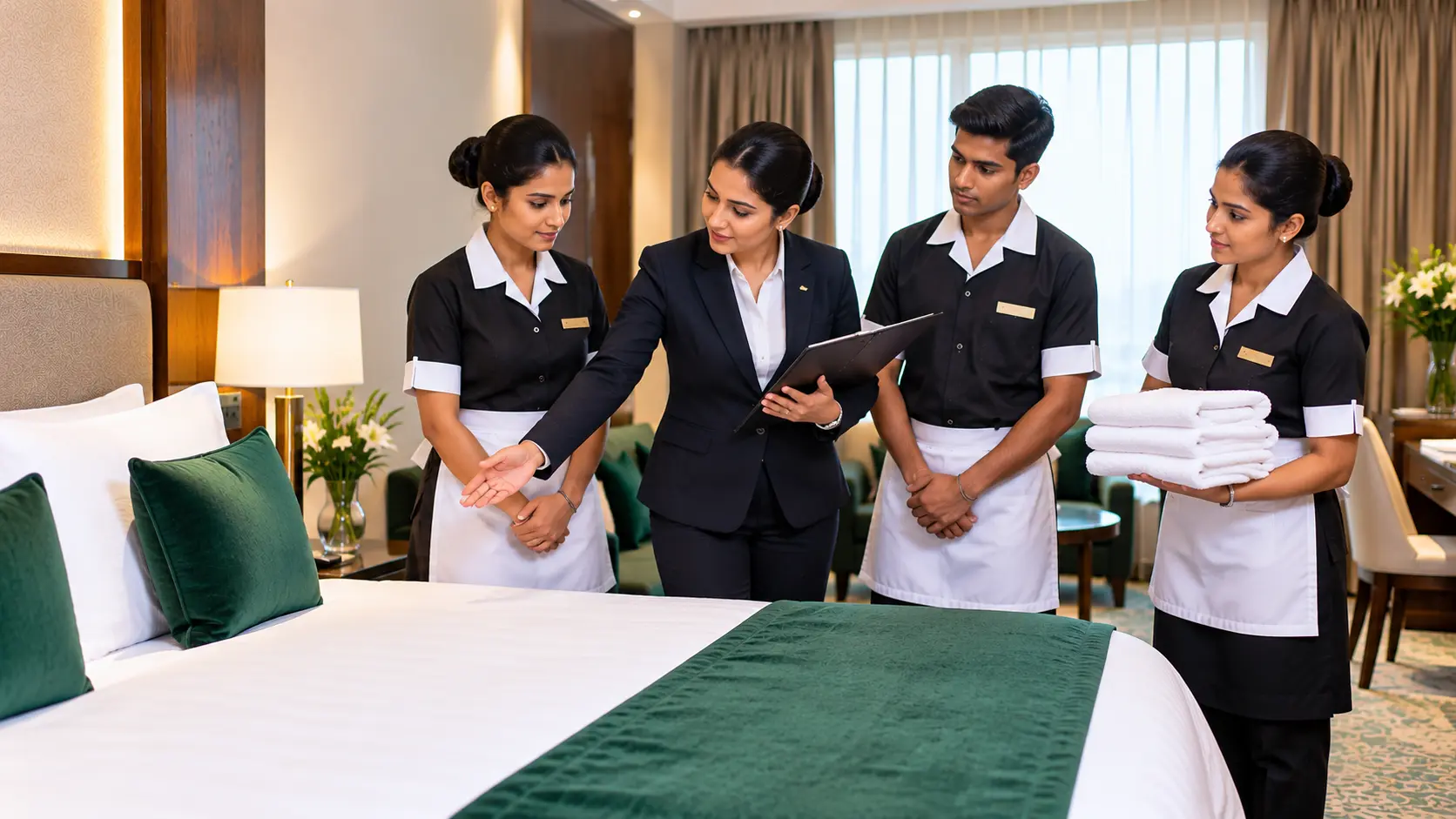
Helps prepare guest rooms, make beds, replace linen, clean bathrooms and arrange guest amenities.
Assists with cleaning and maintaining designated hotel areas according to established standards.
Maintains shared spaces such as lobbies, corridors, lifts and public washrooms.
Helps sort, wash, dry, fold and organise hotel linen and uniforms.
Supports staff communication, room status updates, schedules and housekeeping records.
Oversees assigned activities, checks cleaning standards and coordinates team responsibilities.
A senior professional responsible for overseeing housekeeping operations, staff, inventory, departmental planning, quality inspections and coordination with hotel management. This position generally requires substantial industry experience.
Career progression is not automatic. It depends on professional experience, performance, additional training, skills and available opportunities.
Where Can Housekeeping Professionals Work?
Housekeeping skills are useful in several hospitality and service environments. Depending on their experience and qualifications, professionals may explore opportunities in:
- Luxury hotels and business hotels.
- Resorts and holiday properties.
- Boutique hotels.
- Guest houses and serviced apartments.
- Cruise hospitality operations.
- Hospitals and healthcare facilities.
- Corporate accommodation facilities.
- Facility management companies.
International opportunities may also be available in hospitality businesses, subject to employer selection, experience, qualifications and applicable work authorisation requirements.
Is a Housekeeping Course a Good Choice After Class 10 or 12?
A housekeeping course can be worth considering for students interested in hotel operations, room preparation, cleanliness standards and practical hospitality work.
Before choosing a programme, students should compare its curriculum, practical sessions, duration, fees, eligibility requirements and qualification awarded.
A short-term certificate may suit learners seeking focused training in a particular operational area. A broader hotel management diploma may be more appropriate for students who want exposure to several hotel departments, including front office, food and beverage service, housekeeping and food production.
The right option depends on the student's educational background and career objectives.
Housekeeping Course at Servo Institute of Hotel Management, Dehradun
Students interested in developing housekeeping skills can explore the Certificate in Housekeeping Executive offered by Servo Institute of Hotel Management in Dehradun.
According to the institute's published certificate programme details, the course has a duration of 6 months, divided into:
Classroom learning and practical training.
Training component listed in the programme.
The published programme page lists Class 10 as the eligibility requirement and mentions NSDC and THSC, India in its accreditation details.
Students can review the course structure, training arrangements, admission requirements and current fees directly through the institute's official pages:
How to Choose the Right Housekeeping Training Institute
Before enrolling in a housekeeping course, students should evaluate the quality and structure of the training programme.
Consider asking the institute these questions:
- What subjects are covered in the housekeeping curriculum?
- Are practical housekeeping training facilities available?
- Does the course include guest room preparation and linen management?
- Is practical or on-property hotel training included?
- What is the total course duration and fee?
- What qualification or certificate will be awarded?
- What career guidance or placement assistance is available?
Choosing a programme after reviewing these details can help students make a more informed decision about their hospitality education.
Frequently Asked Questions (FAQs)
Q1. What is taught in a housekeeping course?
Q2. Can I join a housekeeping course after Class 10?
Q3. How long does a housekeeping course take?
Q4. What jobs can I get after a housekeeping course?
Q5. Is practical training important in housekeeping?
Q6. Can housekeeping professionals work abroad?
Q7. What skills are needed for hotel housekeeping?
Conclusion
Housekeeping is an important department in the hospitality industry, responsible for cleanliness, room presentation, guest comfort and the maintenance of hotel standards.
A housekeeping course helps students understand the practical responsibilities of this department while developing skills that can support their entry into hospitality operations.
From guest room preparation and linen management to public area cleaning and inventory control, students gain an introduction to essential housekeeping activities. For those interested in beginning a career in this field, comparing course content, practical training and future opportunities is an important first step.
Start Your Hospitality Career with Servo Institute
Explore housekeeping training, understand course eligibility and speak with the admissions team for current programme details.