
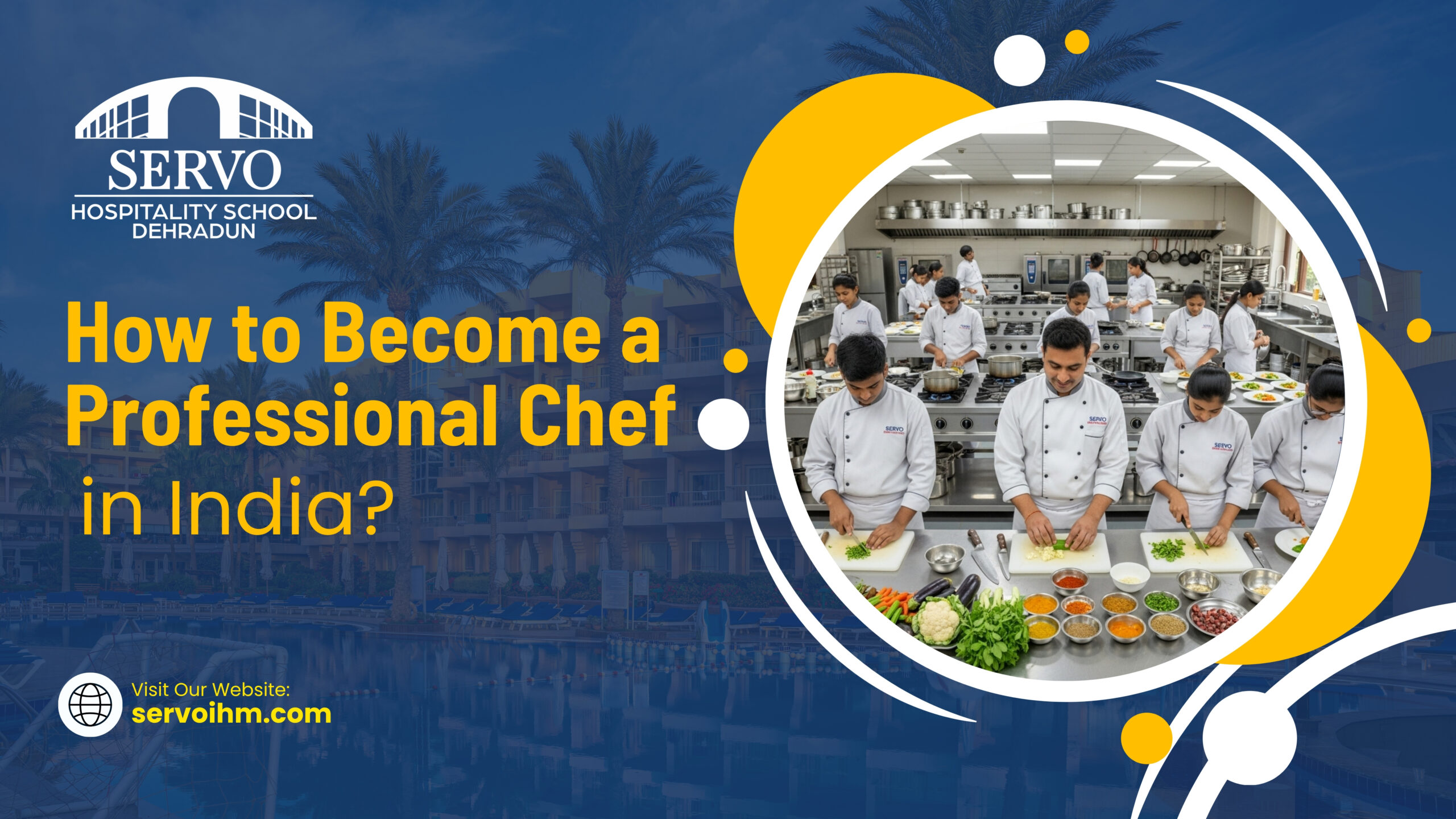
How to Become a Professional Chef in India? [Explained]
Becoming a professional chef in India is a rewarding journey that combines passion, skill development, and continuous learning. From mastering knife techniques to understanding global cuisines, this guide provides a comprehensive A–Z roadmap to launch a culinary career. Whether you dream of leading a five-star kitchen or opening your own patisserie, each step outlined here will help you navigate the path with confidence.
Cultivating Passion and Understanding the Profession
Cooking isn’t just a chore—it’s an art form. Developing a deep passion for flavors, textures, and presentations is the foundation of every chef’s journey.
Explore Diverse Cuisines: Taste and analyze Indian regional dishes—Punjabi dals, Bengali fish curries, Goan vindaloo—and global classics like French pâtisserie or Japanese sushi.
Home Experiments: Practice basic recipes, master boiling, sautéing, and baking. Document successes and failures to refine your palate.
Read and Research: Subscribe to culinary magazines, follow chef interviews, and watch cooking shows to stay inspired.
Formal Culinary Education
While passion sets the stage, structured training equips you with techniques and industry standards.
Choosing the Right Course
Diploma vs. Degree: Diplomas (6–12 months) offer hands-on skills quickly, while degree programs (3–4 years) combine theory, management, and internships.
Specializations: Patisserie, Bakery, Regional Indian Cuisine, and International Cuisine.
Top Culinary Programs in India
Institute of Hotel Management, Catering & Nutrition (IHM), Delhi
Welcomgroup Graduate School of Hotel Administration (WGSHA), Manipal
Culinary Academy of India (CAI), Hyderabad
Le Cordon Bleu, Mumbai
These institutes deliver industry-aligned curricula, well-equipped kitchens, and placements in top hotels.
Essential Culinary Skills to Master
Knife Skills
Chopping, Dicing, Julienne: Practice uniform cuts for consistent cooking.
Knife Care: Regular sharpening and proper handling.
Sauces and Stocks
Learn mother sauces (béchamel, velouté, espagnole, hollandaise, tomato).
Master stock preparation—vegetable, chicken, beef—for flavor bases.
Baking and Pastry Techniques
Understand dough fermentation—bread, croissants, brioche.
Master creams, custards, and decorations.
Plating and Presentation
Balance colors and textures.
Use garnishes strategically to enhance appeal.
Food Safety and Hygiene
Learn HACCP principles.
Maintain kitchen cleanliness, storage protocols, and personal hygiene.
Gaining Practical Experience
Internships and Apprenticeships
Seek internships in hotels, resorts, or bespoke bakeries.
Work under experienced chefs to observe kitchen operations and time management.
Kitchen Rotations
Rotate through different sections: garde manger, hot kitchen, pastry.
Develop versatility by handling varied stations.
Part-Time and Freelancer Opportunities
Cater private events.
Conduct cooking workshops or home baking classes.
Certifications and Specialized Training
International Certifications: American Culinary Federation (ACF), City & Guilds.
Specialized Workshops: Molecular gastronomy, vegan and gluten-free cooking.
Online Courses: Platforms like Coursera, Udemy, or chef-led masterclasses offer flexibility.
Building Your Culinary Portfolio
Photography: High-quality images of your dishes for social media or job applications.
Recipes and Blogs: Write detailed recipes, share kitchen hacks, and document your learning.
YouTube Channel or Instagram Handle: Showcase cooking demos and connect with food enthusiasts.
7. Networking and Professional Growth
Culinary Associations: Join the Indian Federation of Culinary Associations (IFCA).
Competitions: Participate in cooking contests to gain recognition.
Trade Shows: Attend FICCI’s “Food & Hospitality World” or IHM job fairs.
Soft Skills for Success
Teamwork: Kitchens run on synchronized effort; clear communication is vital.
Time Management: Deliver dishes promptly during high-pressure service.
Resilience: Handle long hours, heat, and criticism constructively.
Career Pathways and Advancement
Commis Chef: Entry-level, assists with basic preparations.
Chef de Partie: Manages a specific kitchen station.
Sous Chef: Second-in-command, oversees kitchen operations.
Executive Chef: Head of kitchen, menu planning, and team leadership.
Culinary Entrepreneur: Open a restaurant, bakery, or catering business.
Continuous Learning and Trends
Technology in Kitchen: Embrace sous-vide, 3D food printing, smart appliances.
Sustainable Practices: Zero-waste cooking, farm-to-table sourcing.
Global Flavors: Fusion cuisine, plant-based innovations.
Financial Planning and Investment
Education Costs: Estimate course fees, equipment, uniforms.
Initial Salary Benchmarks: INR 15,000–30,000/month for juniors; up to INR 1–2 LPA for Sous Chefs.
Entrepreneurial Costs: Location, décor, licensing, staff.
Challenges and How to Overcome Them
High Pressure: Practice mindfulness, maintain work–life balance.
Physical Demands: Regular fitness routine and ergonomic kitchen setups.
Career Plateaus: Upskill through courses or explore international opportunities.
The Role of Online Presence
SEO-Optimized Blog: Use keywords like “culinary course,” “cooking classes,” and “best culinary schools in India” to attract aspiring chefs.
Social Media Engagement: Post behind-the-scenes content, recipe reels, and live Q&A sessions.
Opening Your Own Culinary Venture
Business Plan: Define concept, target audience, menu, and marketing strategy.
Licenses and Permits: FSSAI registration, GST, local health permits.
Supplier Networks: Establish relationships with vendors for ingredients and equipment.
Continuous Mentorship and Learning
Find a Mentor: Senior chefs or culinary consultants can guide your growth.
Join Masterclasses: Attend workshops by celebrity chefs to refine specialized skills.
Conclusion
Becoming a professional chef in India demands a blend of formal education, practical experience, and relentless passion. By following this structured roadmap—from foundational skills to entrepreneurial ventures—you will be well-equipped to thrive in the dynamic culinary landscape.
Servo Hospitality School | Best HM Institute In Dehradun
One institute that excels in hospitality and culinary training is Servo Hospitality School. With globally recognized affiliations and state-of-the-art facilities, Servo IHM offers a variety of programs tailored to budding chefs and hospitality professionals. Courses include bakery course in dehradun and baking classes in dehradun, with specialized diploma in bakery and confectionery. For broader culinary skills, their culinary course in dehradun and culinary arts course in india cover international techniques. Those seeking culinary programs near me or culinary school near me will find hands-on training in chef course in dehradun. Aspiring professionals can choose from culinary arts colleges in india or best culinary schools in india. Servo IHM also provides cooking classes and culinary colleges in india. For those interested in hotel management alongside culinary skills, they offer hotel management colleges in dehradun and hotel management Institute in dehradun, including a hotel management course in dehradun. Noted as one of the best hm colleges in dehradun and hotel management colleges in uttarakhand, they provide a comprehensive hotel management diploma in dehradun. Recognized as the best hm institute in dehradun, their hm course in dehradun is highly regarded among the best hotel management colleges in uttarakhand. Repeat offerings like bakery course in dehradun and baking classes in dehradun ensure specialized pastry skills, while the hotel management course in uttarakhand at the Best Hotel Management College in Dehradun adds value. Whether seeking a top culinary course in dehradun or a holistic hotel management education, Servo IHM stands out as an ideal choice.