
How to Become a Hospitality Expert – Servo IHM
In today’s competitive world, the hospitality industry is one of the fastest-growing and most dynamic sectors, offering diverse career opportunities, global exposure, and the chance to create memorable experiences for people. Many aspiring professionals wonder how to become a hospitality expert – Servo IHM, and what it takes to stand out in this highly service-oriented field. This guide provides a comprehensive roadmap, covering essential skills, professional training, industry insights, and actionable tips to excel in hospitality management.
Understanding the Role of a Hospitality Expert
A hospitality expert is a professional who excels in managing hotels, resorts, restaurants, and other service-oriented establishments. They are not just managers; they are leaders who ensure operational excellence, guest satisfaction, and efficient use of resources. Becoming a hospitality expert requires a combination of practical knowledge, interpersonal skills, and strategic thinking.
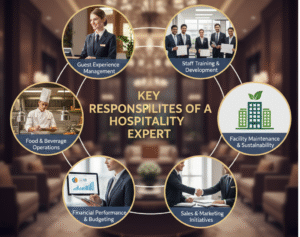
Key Responsibilities of a Hospitality Expert:
Overseeing hotel operations, including front office, housekeeping, and food & beverage management.
Ensuring consistent guest satisfaction and resolving complaints effectively.
Managing budgets, human resources, and operational efficiency.
Implementing industry best practices, technology, and innovation.
Staying updated with global hospitality trends and market demands.
Understanding these responsibilities is the first step in answering the question: how to become a hospitality expert – Servo.
Step 1: Acquire a Strong Educational Foundation
Education is the backbone of a successful hospitality career. Enrolling in a reputed institution like Servo IHM provides students with internationally recognized courses and professional training that are aligned with industry standards.
Recommended Courses at Servo IHM:
Diploma in Hotel Management: Focuses on core hotel operations, housekeeping, front office, and food & beverage management.
Bachelor’s in Hospitality Management: A comprehensive three-year program covering advanced hotel management skills, leadership, and strategic planning.
Short-term Certification Courses: Specialized courses in culinary arts, baking, mixology, and front office operations.
These courses not only offer theoretical knowledge but also emphasize practical training in fully equipped labs, real kitchens, and training restaurants. By pursuing these programs, students can master hotel management expertise while building a solid career foundation.
Why Education Matters:
Proper education ensures you develop both technical and soft skills essential for managing guest experiences, leading teams, and running operations efficiently. It also prepares you to tackle real-world challenges, making you a true hospitality expert.
Step 2: Develop Essential Hospitality Management Skills
Becoming a hospitality expert requires honing a set of key skills. These hospitality management skills are critical to success and can set you apart in the competitive job market.
Essential Hospitality Skills Include:
Leadership and Team Management: Ability to motivate staff, delegate tasks effectively, and foster a collaborative environment.
Communication Skills: Essential for interacting with guests, colleagues, and management, ensuring clarity and professionalism.
Problem-Solving Ability: Quickly resolving guest issues and operational challenges while maintaining service quality.
Attention to Detail: Ensuring every aspect of operations meets high standards, from room cleanliness to food presentation.
Time Management: Prioritizing tasks and managing multiple responsibilities efficiently.
Adaptability: Adjusting to new trends, technology, and changing customer expectations.
By developing these skills, professionals not only enhance their career prospects but also increase their value as hospitality experts capable of managing complex hotel operations.
Step 3: Gain Practical Experience Through Internships
Hands-on experience is crucial for learning the nuances of hospitality operations. Servo IHM provides structured industry-integrated internships with leading hotels and resorts, allowing students to gain real-world experience and apply hospitality industry tips effectively.
Benefits of Practical Training:
Understanding day-to-day hotel operations.
Learning guest service protocols and standard operating procedures.
Networking with industry professionals.
Improving decision-making and operational problem-solving skills.
Internships also expose students to different departments, from front office to housekeeping and food & beverage. This cross-functional experience ensures that when they graduate, they are prepared to take on leadership roles.
Case Example:
A student who completed an internship at a five-star resort in Dubai reported gaining hands-on experience in front office operations, managing bookings, handling VIP guests, and supervising staff. This experience gave them confidence and practical knowledge, making them a strong candidate for managerial roles.
Step 4: Stay Updated with Industry Trends
The hospitality industry is constantly evolving. Technological advancements, changing consumer expectations, and global trends shape how hotels and resorts operate. Staying updated is crucial for anyone aspiring to be a hospitality expert.
Key Trends in Hospitality:
Adoption of AI, smart technologies, and automation in hotels.
Emphasis on sustainable and eco-friendly hospitality practices.
Personalized guest experiences using data analytics.
Integration of digital marketing and social media for customer engagement.
Following these hospitality industry tips ensures professionals are not only current but also innovative, capable of implementing solutions that improve guest satisfaction and operational efficiency.
Step 5: Enhance Your Professional Network
Networking is a vital component of a successful hospitality career. Connecting with peers, mentors, and industry leaders helps professionals gain insights, opportunities, and guidance.
How to Build a Strong Hospitality Network:
Attend industry events, seminars, and conferences.
Participate in workshops and competitions organized by institutions like Servo IHM.
Engage with alumni and seasoned professionals for mentorship.
Join online communities and professional associations.
Networking allows aspiring hospitality experts to learn from the experience of others, discover job opportunities, and gain guidance on career advancement.
Step 6: Pursue Certifications and Advanced Training
In addition to formal education, specialized certifications enhance credibility and showcase expertise. Certifications in areas like food & beverage management, front office operations, and hotel administration are highly valued in the industry.
Benefits of Professional Hospitality Training:
Increases employability and career advancement opportunities.
Demonstrates commitment to excellence and continuous learning.
Provides globally recognized credentials, helpful for international careers.
Servo IHM offers guidance for obtaining such certifications, equipping students with the skills and qualifications to compete on a global level.
Step 7: Focus on Personal Development
Becoming a hospitality expert is not solely about technical knowledge; personal qualities are equally important. Empathy, patience, adaptability, and resilience are key traits that help professionals handle high-pressure situations and maintain excellent guest experiences.
Important Personal Attributes:
Emotional intelligence to understand and manage guest emotions.
Cultural sensitivity for working with diverse teams and international guests.
Creativity and innovation for enhancing guest experiences.
Ethical behavior and integrity to build trust and reputation.
Developing these traits, along with professional skills, ensures a holistic approach to hospitality management.
Step 8: Explore Career Opportunities in Hospitality
The hospitality industry offers a wide range of career paths. Understanding these opportunities helps aspiring experts choose a direction aligned with their goals.
Popular Career Paths:
Hotel Manager
Food & Beverage Manager
Front Office Manager
Executive Chef or Pastry Chef
Event Manager
Resort Manager
Hospitality Consultant
Each role requires specific skills, and Servo IHM equips students with the knowledge and practical experience to pursue these careers successfully.
Step 9: Leverage Global Exposure
One of the advantages of studying at a reputed institution like Servo IHM is the global exposure it offers. Students have the opportunity to participate in international internships, workshops, and collaborations. Exposure to international hotel chains and diverse guest demographics helps professionals develop a global perspective.
Benefits of Global Exposure:
Understanding international standards in service and operations.
Enhancing adaptability to work in multicultural environments.
Increasing chances of securing international job placements.
Gaining insights into global hospitality trends and innovations.
Global exposure is a significant differentiator for professionals aiming to become hospitality experts.
Step 10: Continuously Learn and Upgrade Skills
The hospitality industry is dynamic, and continuous learning is essential. Professionals must stay updated with new trends, technologies, and best practices. Servo IHM encourages lifelong learning through workshops, seminars, and advanced courses, ensuring that alumni remain competitive and successful.
Examples of Continuous Learning:
Online courses on hospitality management and leadership.
Attending global conferences and webinars.
Reading industry publications and case studies.
Participating in professional development programs.
By embracing continuous learning, professionals can maintain their edge and establish themselves as recognized hospitality experts.
Frequently Asked Questions (FAQs)
1. How long does it take to become a hospitality expert?
Depending on your chosen path, formal education can range from 6 months (short-term courses) to 3–4 years (bachelor’s or diploma programs), combined with internships and practical experience.
2. Can I become a hospitality expert without formal education?
While experience is valuable, formal education from an institution like Servo IHM accelerates learning, provides credentials, and enhances global opportunities.
3. What skills are most important in hospitality?
Leadership, communication, problem-solving, attention to detail, and adaptability are the most critical skills for success.
4. Are international opportunities available for hospitality professionals?
Yes. Institutions like Servo IHM provide guidance for internships and placements in global hotel chains, opening doors to international careers.
5. What is the salary potential in hospitality?
Entry-level salaries vary by role and location, but with experience and expertise, senior management positions can offer significant financial rewards along with global exposure.

Conclusion
The journey to becoming a hospitality expert requires dedication, education, practical experience, and continuous learning. By following the steps outlined in this guide—pursuing a strong educational foundation at Servo IHM, developing essential hospitality management skills, gaining practical experience, networking, obtaining certifications, focusing on personal development, and embracing global opportunities—any aspiring professional can achieve excellence.
The hospitality industry offers immense opportunities for growth, creativity, and international exposure. With the right mindset, training, and professional guidance from Servo IHM, you can transform your passion for hospitality into a thriving and fulfilling career. If you are committed to learning, applying industry best practices, and continuously upgrading your skills, becoming a hospitality expert is not just a dream—it’s an achievable goal.