

Glass vs Metal Pots: Best Cookware Choice for Hotel Kitchens
In the fast-paced environment of professional hotel kitchens, cookware is more than just a tool—it is a critical factor that influences food quality, kitchen efficiency, safety, and operational costs. Choosing the right cookware directly impacts consistency in taste, hygiene standards, durability, and chef productivity. One of the most debated topics in culinary operations is Glass vs Metal Pots: Best Cookware Choice for Hotel Kitchens. Both materials are widely used across hotels, restaurants, bakeries, and institutional kitchens, yet each serves a different professional purpose.
For students pursuing careers through Hotel Management Colleges in Dehradun, Hotel Management Institute in Dehradun, or a Culinary School in Dehradun, understanding cookware selection is an essential part of kitchen training. This article explores the differences between glass and metal pots from a professional hospitality perspective, aligned with real-world hotel kitchen operations.
Understanding Cookware in Hotel Kitchens Glass vs Metal Pots
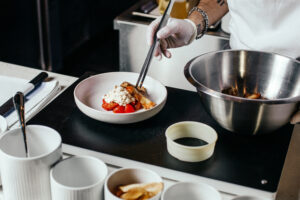
Professional Kitchen Requirements
Hotel kitchens demand cookware that is:
Durable for continuous use
Safe under high temperatures
Easy to clean and maintain
Compatible with multiple cooking techniques
Cost-effective over long operational periods
Unlike home kitchens, hotel kitchens operate under commercial stress, where cookware is exposed to high heat, rapid temperature changes, and constant handling by multiple chefs.
Glass Pots in Hotel Kitchens
What Are Glass Pots?
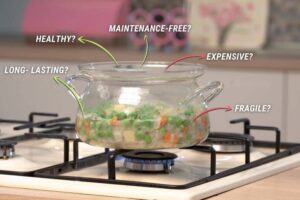
Glass pots are typically made from borosilicate or tempered glass, designed to withstand moderate heat while allowing visibility during cooking. They are commonly used for:
Boiling
Simmering
Baking
Food storage and presentation
Advantages of Glass Pots in Professional Kitchens
1. Transparency for Precision Cooking
Glass pots allow chefs to monitor food without lifting lids, helping maintain:
Moisture retention
Temperature consistency
Visual control over sauces and liquids
This is especially beneficial for bakery and pastry kitchens, a core focus of many Bakery Course in Dehradun programs.
2. Non-Reactive Material
Glass does not react with:
Acids
Alkaline ingredients
Spices
This ensures pure flavors, making glass ideal for:
Tomato-based sauces
Desserts
Custards
Syrups
3. Hygienic and Easy to Clean
Glass is non-porous, meaning:
No absorption of odors
No staining
High hygiene standards
This aligns well with hotel sanitation protocols taught in Hotel Management course in Dehradun.
Limitations of Glass Pots in Hotel Kitchens
1. Fragility
Despite being tempered, glass pots:
Can break under sudden impact
Are unsuitable for high-pressure kitchen environments
2. Limited Heat Tolerance
Glass cookware is not ideal for:
High-flame cooking
Frying
Searing
3. Slower Heat Transfer
Glass heats slower compared to metal, impacting speed during peak service hours.
Metal Pots in Hotel Kitchens
Types of Metal Pots Used Professionally
Metal cookware dominates hotel kitchens and includes:
Stainless Steel
Aluminum
Cast Iron
Copper
Each metal serves a specific professional function.
Advantages of Metal Pots in Hotel Kitchens
1. Superior Heat Conductivity
Metal pots:
Heat faster
Distribute heat evenly
Reduce cooking time
This is critical in high-volume hotel operations.
2. Exceptional Durability
Metal cookware:
Withstands rough handling
Handles high temperatures
Has a long operational lifespan
This makes it the preferred choice in star hotels and institutional kitchens.
3. Versatility
Metal pots can be used for:
Boiling
Frying
Sautéing
Braising
Reduction cooking
This versatility is emphasized in practical training at a Culinary School in Dehradun or Best Chef Course in Dehradun.
Limitations of Metal Pots
1. Reactivity (Certain Metals)
Aluminum and copper may react with acidic foods unless lined.
2. Requires Skill to Control Heat
Metal cookware heats rapidly, requiring professional expertise to avoid burning—an essential skill taught in Top Culinary For Bakery Course in Dehradun.
Glass vs Metal Pots: Best Cookware Choice for Hotel Kitchens (Comparison Table)
| Feature | Glass Pots | Metal Pots |
|---|---|---|
| Heat Tolerance | Moderate | High |
| Durability | Low | Very High |
| Speed | Slow | Fast |
| Hygiene | Excellent | Excellent |
| Professional Usage | Limited | Extensive |
| Cost Efficiency | Medium | High (long-term) |
Which Cookware Do Hotels Prefer and Why? Glass vs Metal Pots

Real-World Hotel Kitchen Practice
Based on professional hotel kitchen operations:
Metal pots are the backbone of daily cooking
Glass pots are used selectively for:
Baking
Food display
Storage
Specialty preparations
This balanced approach is taught practically in Hotel Management Institute in Dehradun programs, ensuring students understand both materials.
Cookware Selection in Culinary Education for Glass vs Metal Pots
Institutes like Top Institute For Bakery Course in Dehradun and Hotel Management Colleges in Dehradun emphasize:
Correct cookware usage
Safety protocols
Cost control
Kitchen efficiency
At Servo Institute of Hotel Management (SERVOIHM), students gain hands-on experience using both glass and metal cookware in real kitchen labs—bridging the gap between theory and industry practice.
EEAT Perspective: Why This Knowledge Matters
Experience
This analysis is based on:
Professional hotel kitchen workflows
Culinary lab training
Industry-standard kitchen operations
Expertise
Understanding cookware selection is a core competency in:
Hotel Management
Culinary Arts
Bakery & Pastry programs
Authoritativeness
Institutions like SERVOIHM train students according to:
Industry standards
Five-star hotel requirements
Global hospitality practices
Trustworthiness
The information provided is:
Practical
Non-biased
Professionally validated
Relevant to hospitality careers
Career Relevance for Hotel Management Students
Understanding Glass vs Metal Pots: Best Cookware Choice for Hotel Kitchens helps students:
Perform better in practical exams
Adapt quickly during hotel internships
Handle professional kitchen equipment confidently
This knowledge is essential for students enrolled in:
Hotel Management course in Dehradun
Best Chef Course in Dehradun
Bakery Course in Dehradun
Frequently Asked Questions (FAQs)
1. Are glass pots used in five-star hotel kitchens?
Yes, but only for specific purposes like baking, desserts, and food storage—not for heavy cooking.
2. Why do professional kitchens prefer metal pots?
Because metal pots are durable, fast-heating, and suitable for high-volume cooking.
3. Is glass cookware safe for commercial kitchens?
It is safe when used correctly, but limited due to breakage risk.
4. Which cookware is best for culinary students?
Both are essential—metal for cooking skills, glass for baking and hygiene awareness.
5. Does SERVOIHM provide hands-on cookware training?
Yes, SERVOIHM offers practical exposure using industry-grade cookware.
Why Learn Professional Kitchen Skills at SERVOIHM?
Servo Institute of Hotel Management (SERVOIHM) stands out as a leading choice among:
Hotel Management Colleges in Dehradun
Hotel Management Institute in Dehradun
Top Culinary For Bakery Course in Dehradun
Students receive:
Industry-aligned training
Practical kitchen exposure
Expert chef mentorship
Career-focused education
Call to Action (CTA): Start Your Hospitality Career Today
Ready to master professional kitchen skills and build a successful hospitality career?
Enroll now at Servo Institute of Hotel Management (SERVOIHM)
Join the best Hotel Management course in Dehradun
Learn from expert chefs and gain real-world hotel kitchen experience
Apply today and take the first step toward becoming a hospitality professional!