
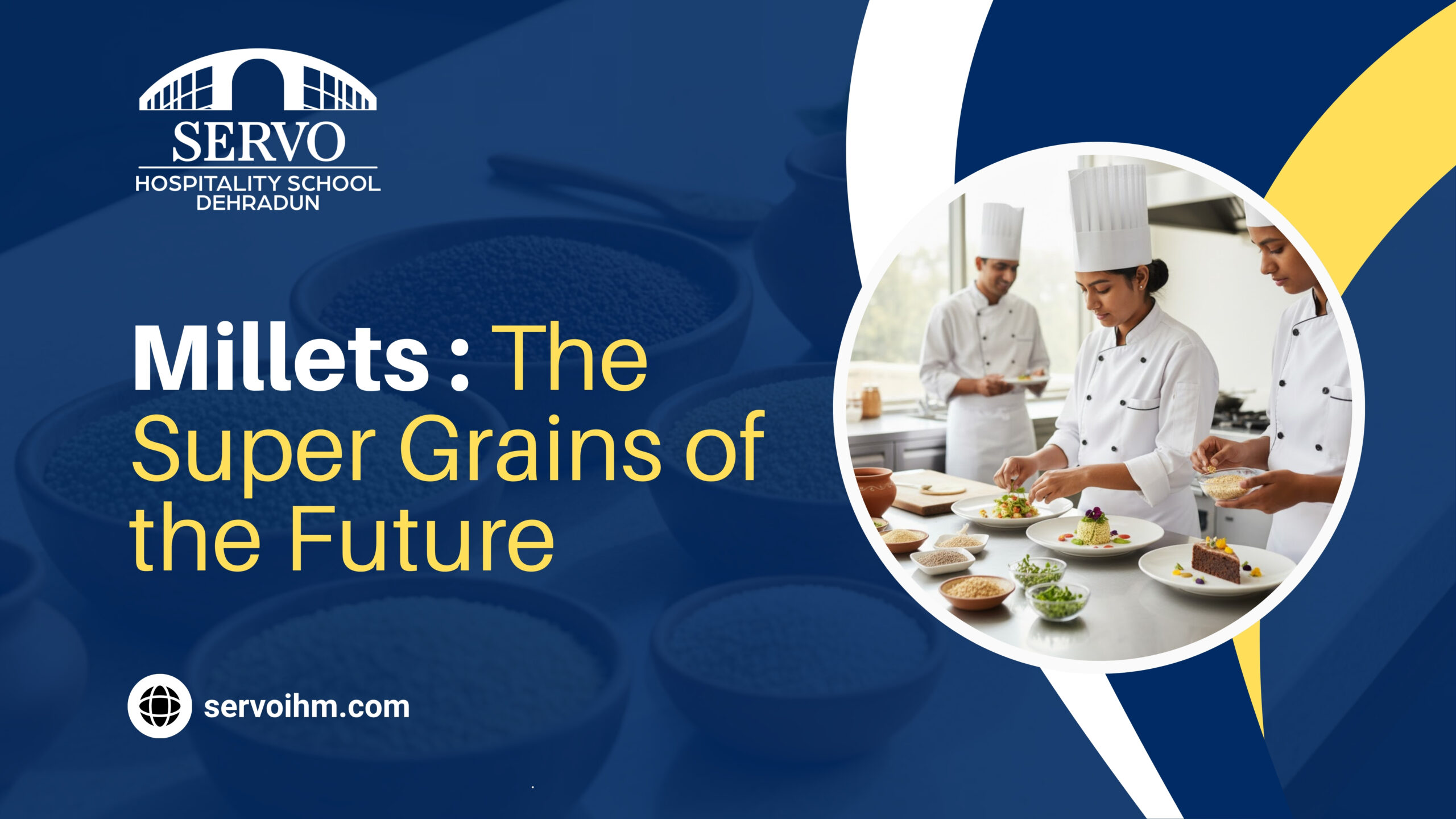
Millets: The Super Grains of the Future
In recent years, millets have made a remarkable comeback in India’s food culture. Once considered the “poor man’s food,” these humble grains are now being recognized worldwide as superfoods for their nutritional value, resilience, and sustainability. India, being the largest producer of millets in the world, has also taken significant policy steps to promote their cultivation and consumption through various initiatives, including the Millet Yojna.
What Are Millets?
Millets are a group of small-seeded cereal grains that belong to the grass family (Poaceae). They are ancient crops grown mainly in dry regions and are known for their ability to survive in harsh climatic conditions with minimal water.
Common Types of Millets in India
- Jowar (Sorghum)
Rich in iron and fiber; helps in digestion and boosts energy. - Bajra (Pearl Millet)
High in protein, calcium, and folate; beneficial for heart health. - Ragi (Finger Millet)
Excellent source of calcium and amino acids. - Foxtail Millet (Kangni)
Rich in dietary fiber and good for diabetics. - Kodo Millet
Helps in weight management and improving immunity. - Barnyard Millet (jhangora)
Gluten-free and rich in iron. - Little Millet (Kutki)
Low in carbs and rich in antioxidants.
Nutritional Benefits of Millets
- High in fiber: Improves digestion and prevents constipation.
- Low glycemic index: Helps manage diabetes.
- Rich in minerals: Provides iron, calcium, and magnesium.
- Gluten-free: Ideal for people with gluten intolerance.
- Promotes heart health: Reduces bad cholesterol and improves metabolism.
Millets and Sustainability
Millets are climate-resilient crops that require very little water, fertilizers, or pesticides. They grow well in poor soils and help maintain agro-biodiversity, making them a vital crop for sustainable agriculture and food security in India.
Millet Yojna in IndiaTo revive millet cultivation and consumption, the Government of India has launched several initiatives under the Millet Mission (Millet Yojna).
Key Highlights of the Millet Yojna
- National Mission on Nutri-Cereals (NMMC)
- Launched in 2018 under the National Food Security Mission (NFSM).
- Aims to increase millet production, productivity, and consumption.
- Supports farmers with improved seeds, training, and financial aid.
- International Year of Millets 2023
- Declared by the United Nations at India’s proposal.
- Objective: Promote global awareness about millets’ health and environmental benefits.
- Campaigns included millet-based food festivals, farmer fairs, and nutrition awareness programs.
- State-Level Millet Missions
- States like Uttarakhand, Odisha, Karnataka, Chhattisgarh, and Telangana have their own Millet Missions promoting local cultivation and value addition.
- Example: Odisha Millet Mission focuses on supporting tribal farmers and developing millet-based enterprises.
- Inclusion in Government Schemes
- Millets are now included in the Public Distribution System (PDS), Mid-Day Meal Scheme, and ICDS programs to ensure nutritional security.
Servo Hospitality School Promotes Millets: A Step toward Healthy and Sustainable Living
At Servo Hospitality School, we believe that culinary education is not only about mastering flavors but also about embracing sustainability, nutrition, and tradition. In line with India’s focus on reviving traditional grains, Servo is proud to promote the use and awareness of millets — the “super grains” of the future.With the government’s Millet Yojna encouraging millet cultivation and consumption nationwide, Servo is taking this movement into the classrooms and kitchens, inspiring future chefs to cook responsibly and nutritiously
Types of Millets We Celebrate at Servo
- Bajra (Pearl Millet) – Ideal for rotis and desserts.
- Ragi (Finger Millet) – Excellent for porridge, cakes, and roti.
- Foxtail Millet, Kodo, and Little Millet – Perfect for salads, idlis, and pulao.
- Barnyard millet (jhangora) – ideal for jhangora ki kheer.
Our students explore how these grains can be transformed into modern, gourmet dishes that balance health with taste.
Millets in Culinary Education at Servo
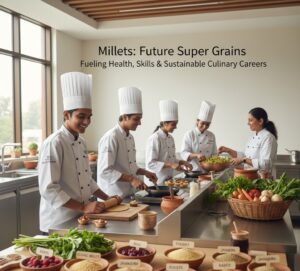
At Servo, our culinary programs integrate hands-on millet workshops, healthy recipe development, and food innovation sessions.
Students learn to:
- Prepare millet-based continental and Indian dishes
- Design millet menus for restaurants and wellness centers
- Create value-added millet products like energy bars, smoothies, and baked goods
- Promote farm-to-table concepts using local millet produce
We also host Millet Food Fests and Awareness Events to engage the community, highlighting how these traditional grains can inspire modern, nutritious cuisine.
Why Millets Matter in Hospitality
For hospitality professionals, understanding millets is part of a larger shift toward sustainable gastronomy. As the global demand for organic and healthy foods grows, chefs trained in millet cuisine will play a crucial role in shaping the future of Indian and international dining.
Conclusion
By promoting millets, Servo Hospitality School proudly contributes to a healthier, greener, and more sustainable India. We aim to equip our students not just with culinary skills but with a sense of responsibility toward food security and the environment.
Next time you plan a meal, try adding millets to your plate—for your health, for the farmer, and for the planet!
Let’s make millets not just a tradition of the past, but a taste of the future.