
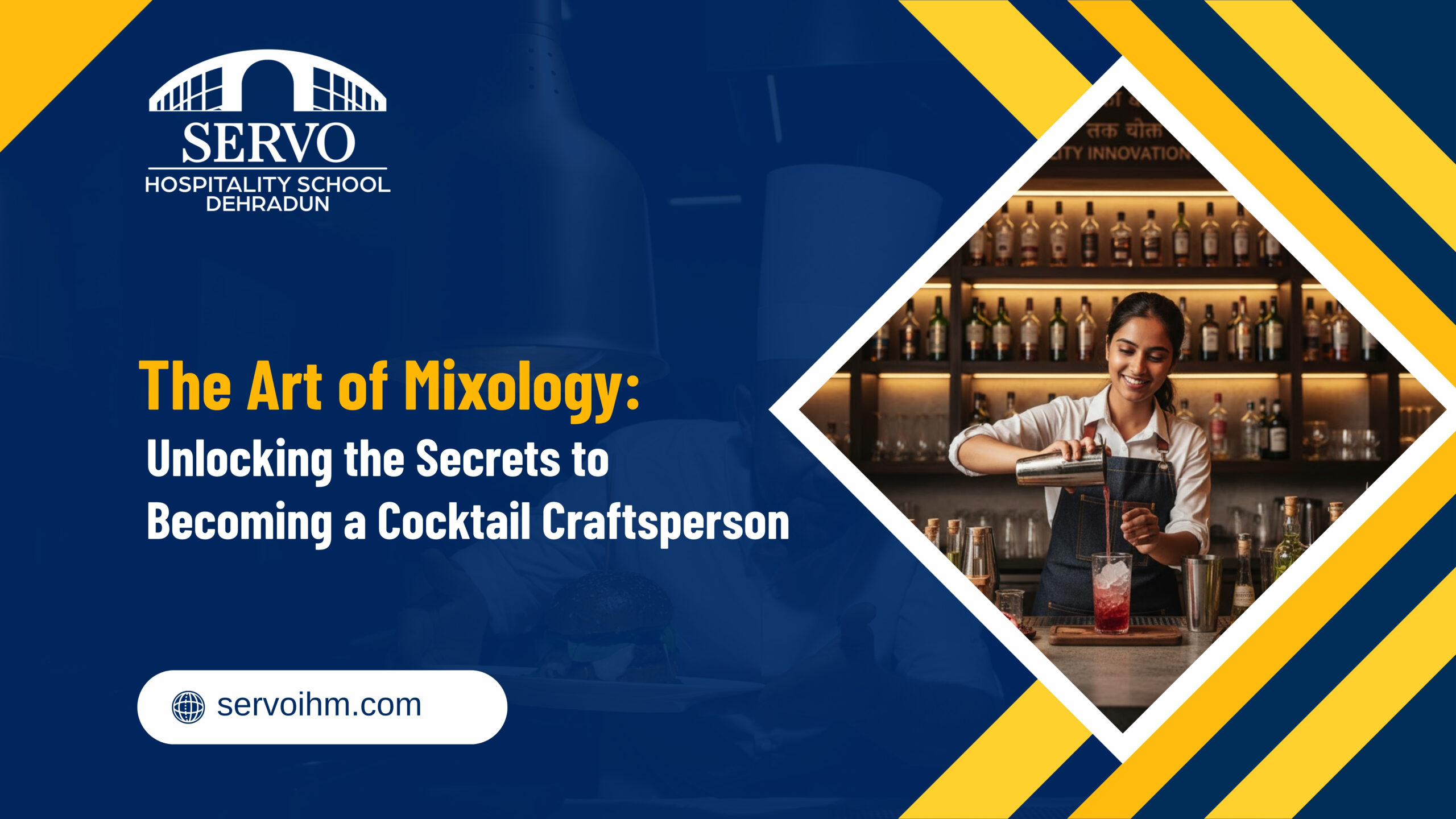
The Art of Mixology: Unlocking the Secrets to Becoming a Cocktail Craftsperson
If you’ve ever sat at a bar and watched a bartender shake, stir, garnish, and serve up a perfectly balanced drink, then you’re likely watching mixology in action. But what exactly is mixology, and how does one go from bartender to mixologist?
Let’s dive in.

What is Mixology?
Mixology is both an art and a science involved in the preparation of mixed beverages. While bartending is about serving drinks, taking orders, and keeping people happy, mixology is a whole different story-it’s about creating a special, quality experience through expertly prepared and imaginatively created cocktails. Mixologists are often presented as beverage artists who creatively combine the flavours, textures, and aromas that will make the drink not only functional but an experience.
The mixologist is a person who knows his spirits inside and out, understands the balance of flavours, and is always tinkering with new ingredients and techniques. Many mixologists tend to focus more on cocktails that require deeper knowledge of drink ingredients, techniques, and presentation. Where bartenders may be more service-attentive in a high-paced environment, the mixologist often tends to be more about the craft and the artistry of the drink itself.

The Difference Between a Bartender and a Mixologist
At first glance, one could argue that bartxenders and mixologists perform essentially the same job. The main difference between them lies in how they approach drinks and, more generally, the entire service experience they offer. Bartenders are mostly concerned with the preparation and serving of drinks in the shortest time possible, while mixologists create extraordinary cocktails, taking care of every little detail. Mixologists may create unique house cocktails or classic cocktails with their own twist, using high-quality ingredients and innovative techniques.
Some of the key differences:
- Training and Knowledge: Bartenders have more general training, while mixologists have more specialized training in cocktail preparation, flavour profiles, and presentation.
- Creativity: Mixologists really push the boundaries of what constitutes a cocktail, experimenting with all kinds of new ingredients, garnishes, and methods.
- Attention to Detail: While bartenders may be focused on efficiency, mixologists focus on perfecting the craft of the drink and enhancing the drinking experience.
What Skills Does a Mixologist Need?
So, what skills should you develop if you want to be a mixologist? Here are some of the most important ones:
1. Mastery of Cocktail Techniques
Mixologists must be masters of shaking, stirring, muddling, and straining. They should know precisely when to use each technique in relation to taste and texture. For example, a mixologist would shake a cocktail that contains citrus or egg whites but stir a spirit-forward cocktail like the classic Negroni.
2. Flavour Profile Understanding
Mixology also happens to be all about how different ingredients come together to create balanced flavours. A good mixologist needs to understand how sweet, sour, bitter, salty, and umami flavours interact; one should also know how to balance these elements in order to create harmonious, well-rounded cocktails. This knowledge will also aid them in flavour balancing while making substitutions or creating signature drinks.
3. Knowledge of Spirits
In order to make great cocktails, a mixologist needs to be familiar with the different types of spirits: gin and rum, whiskey, tequila. Besides this, they need to be aware of different types of liqueurs, bitters, syrups, and mixers and how they affect the flavour of the final drink.
4. Creativity
Mixologists are known for pushing the boundaries with their cocktails by experimenting with new ingredients, garnishes, and presentations. Creativeness really helps, whether it’s the infusion of spirits with unique flavours, designing new cocktail recipes, or coming up with inventive garnishes. As a mixologist, one is always thinking out of the box to bring forth something new and exciting to drink.
5. Presentation and Garnishing
Cocktails are meant to both taste great and look good. Presentation is everything, from the glassware a mixologist decides on to the garnishes they add. Creative garnishes like aromatic herbs, vibrant fruit peels, or even edible flowers make a big difference in a drink’s appearance and its aromatic impressions. A garnish is usually the last touch that makes a cocktail stand out.
6. Customer Service
Mixology is as much about the experience as it is about the drink itself. A mixologist needs to have excellent customer service skills and make customers feel welcome. They should be able to talk to the patrons, make recommendations about the drinks, and make them feel like they are getting something truly special with each cocktail.

How to Become a Mixologist
Now that we have covered what kinds of skills go into making a mixologist successful, how does one get into this career? The essential steps of how to become a mixologist follow:
1. Learn the Basics of Bartending
Learn the basic skills needed to become a bartender: understand how to work at the bar, learn common recipes for cocktails, and develop good customer service. Many mixologists start their careers working as bartenders to gain experience with customers and to fine-tune their drink-making skills.
2. Get Formal Education
While you don’t necessarily need a formal degree to become a mixologist, a hospitality management course with specialization in mixology or bartending will offer critical knowledge and techniques. Some of the topics involved in these courses are the creation of cocktails, spirits and liqueurs, customer service, and management of the bar. Attending workshops or getting certified in cocktail making can boost your credibility as a mixologist.
3. Get Hands-On Experience
There is no substitute for real-world experience. Work behind the bar, preferably one focusing on cocktails where you are allowed to experiment and perfect your craft. It’s unmatched learning when done directly from other mixologists and bartenders with years of experience.
4. Experiment and Create
To stand out as a mixologist, you need to develop your own unique style and approach. Immediately start experimenting with new ingredients, flavour combinations, and presentation techniques. Keep a recipe book of all your creations and don’t be afraid to think outside the box when it comes to traditional cocktails.
5. Stay Curious and Continue Learning
Mixology is in a constant state of evolution, with new trends, new techniques, and new ingredients emerging every now and then. To remain at the top of your game, keep learning and extending your knowledge. Attend industry events, read books and blogs, watch videos, and try new trends to stay sharp.
6. Build a Network and Reputation
Like any other profession, it takes time and effort to build up a reputation as a mixologist. Participate in local cocktail competitions, work with other bartenders, and build your network. A good reputation and word-of-mouth are everything when it comes to career advancement as a mixologist.
Conclusion
Becoming a mixologist is not just about knowing how to mix drinks; it’s about elevating the drinking experience and showcasing the artistry of cocktail creation. A combination of creativity, knowledge, and hands-on experience are all you need to take your bartending skills to the next level and develop into a skilled mixologist.