
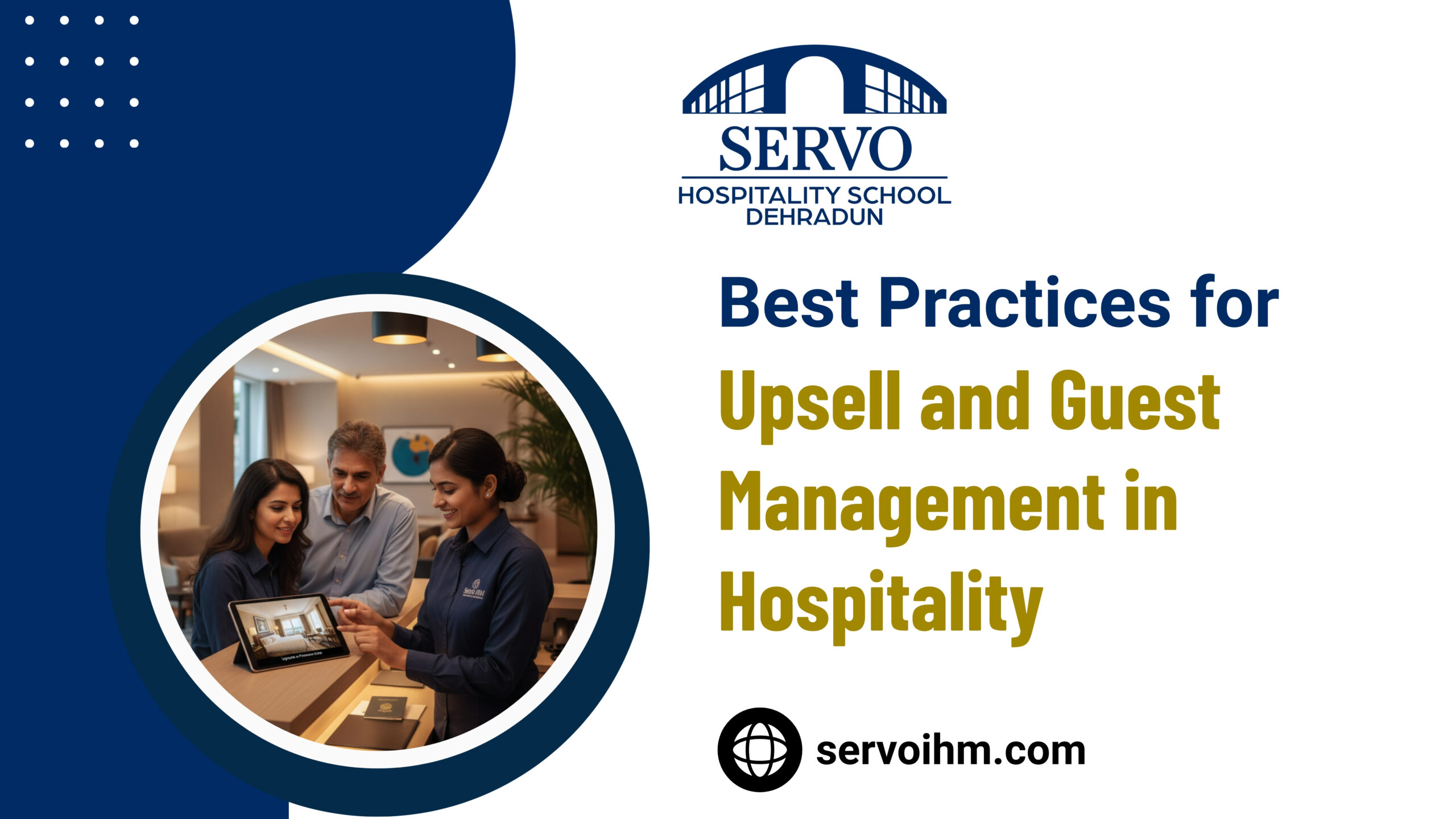
Best Practices for Upsell and Guest Management in Hospitality
Hospitality today goes beyond simply meeting guest expectations—it’s about delivering memorable
experiences while maximizing revenue opportunities. Two areas that play a crucial role in this balance are
upselling and guest management. When handled correctly, they not only boost profits but also enhance
guest satisfaction.
1. Start with Guest Needs
Effective upselling begins by understanding what the guest truly values. Instead of offering every service
available, observe their preferences and ask the right questions.
Couples may prefer romantic add-ons such as a candlelight dinner or a suite with a view.
Corporate travelers may appreciate business amenities like express laundry or late check-out.
✨The goal is to match the offer to the guest’s reason for staying.
2. Personalize Every Offer
Generic recommendations feel like sales pitches. Guests respond better when suggestions are tailored. Use
guest profiles, booking details, or past interactions to shape your offer.
Example: Suggesting spa treatments to a guest asking about the gym, or offering family packages to a guest
travelling with children.
Personalization turns upselling into a thoughtful gesture rather than a sales attempt.
3. Sell the Experience, Not the Product
Guests connect more with benefits than with features. Instead of saying:
“Would you like to upgrade your room?”
Say:
“For a small additional charge, you’ll have a suite with a balcony overlooking the mountains.”
Highlighting the value makes the offer more appealing.
4. Choose the Right Moment
Timing can make or break an upsell.
Before arrival: Offer airport transfers or early check-in.
At check-in: Suggest upgrades or packages.
During the stay: Introduce dining experiences, tours, or spa services.
Before departure: Promote loyalty programs or transport options.
When timed well, upselling feels natural and helpful.
5. Train and Support Your Team
Staff confidence and product knowledge are essential. Regular training ensures they:
Understand the full range of services.
Communicate offers politely and subtly.
Recognize when to stop if a guest declines.
A confident, well-trained team creates trust and drives results.
6. Keep It Guest-Centric
Upselling should never overshadow hospitality. Guest management means anticipating needs, resolving
issues quickly, and adding personal touches that make guests feel valued.
Remember repeat guest preferences.
Respond to concerns with empathy.
Surprise with small gestures like a welcome note or complimentary treat.
When guests feel cared for, they’re more open to exploring additional services.
7. Use Technology as a Tool
Property Management Systems (PMS) and CRM platforms can make upselling easier. Automated
messages, mobile apps, or booking engine prompts can suggest relevant add-ons before or during the stay.
Example: Pre-arrival emails offering discounted upgrades or activity bookings.
8. Review and Refine
Upselling isn’t a one-time strategy. Track results, measure guest responses, and adjust approaches as
needed. Recognize staff achievements to motivate consistency.
Final Thoughts
Upselling and guest management are not about selling more, but about adding value to the guest
experience. When offers are well-timed, personalized, and aligned with guest needs, they increase both
revenue and satisfaction. In the end, a guest who feels understood and valued will return, recommend,
and naturally contribute to business growth.
✨In hospitality, the art lies in balancing revenue goals with genuine care—when done right, both the guest
and the business win.