

Tips for Baking Perfect Cakes: A Complete Guide by Servo Hospitality School
Baking a cake that’s moist, fluffy, and delicious every single time is both an art and a science. Whether you’re a home baker experimenting in your kitchen or an aspiring pastry chef aiming to master the craft, knowing the right tips for baking perfect cakes can make all the difference.
At Servo Hospitality School, one of the best institutes for culinary and bakery training in Dehradun, we believe that great baking begins with understanding the basics — from ingredient ratios and mixing techniques to oven temperature and decoration finesse. This comprehensive guide shares professional cake baking tips, common cake baking mistakes, and an in-depth perfect cake texture guide to help you bake like a pro.
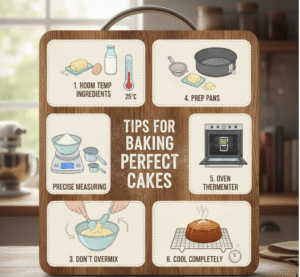
Understanding the Science Behind Baking
Before jumping into the cake baking tips and tricks, it’s essential to know what happens inside your oven. Baking is all about chemistry. Each ingredient has a specific role:
Flour provides structure through gluten development.
Sugar sweetens and tenderizes the crumb.
Eggs add stability and moisture.
Butter or oil creates richness and flavor.
Leavening agents like baking powder and soda cause the cake to rise.
When these elements are balanced and treated properly, they create the ideal cake texture — soft, airy, and perfectly moist. The perfect cake texture guide begins with understanding these foundational roles.
Choose the Right Ingredients
Quality ingredients lead to quality results. One of the best tips for baking perfect cakes is to always use fresh and high-quality ingredients.
Flour: Use cake flour for a lighter texture. It has less protein than all-purpose flour, resulting in a more tender crumb.
Butter: Always use unsalted butter to control the salt content precisely.
Eggs: Room-temperature eggs mix better and help in even rising.
Sugar: Caster sugar blends easily and helps in creating a smooth batter.
Leavening Agents: Check the expiry date of baking powder or soda — stale ones won’t make your cake rise properly.
At Servo’s professional bakery classes, students learn how small ingredient changes can alter the cake’s texture completely — a crucial part of how to bake a perfect cake.
Accurate Measurement is Key
Precision matters in baking more than in any other form of cooking. Measuring ingredients incorrectly is one of the most common cake baking mistakes beginners make.
Always use measuring cups and a digital kitchen scale.
Level off dry ingredients; don’t pack them into the cup.
Measure liquids at eye level in a clear measuring jug.
Even a slight variation in flour or sugar can affect the final result. That’s why every professional cake baking tip emphasizes accuracy. At Servo Hospitality School, our chefs train students to master this precision as part of their baking foundation.
The Right Mixing Technique
Overmixing or undermixing can ruin your cake. Here’s a quick cake baking tip and trick:
Creaming Method: Beat butter and sugar together until light and fluffy. This step traps air, which helps the cake rise.
Folding: Gently fold dry ingredients into wet ones using a spatula to avoid losing air bubbles.
Consistency: The batter should be smooth, lump-free, and slightly thick.
If your cake turns out dense or dry, chances are you overmixed it. Understanding these techniques is key to baking the perfect cake texture.
Proper Oven Temperature
An essential part of how to bake a perfect cake is mastering your oven. Even if your batter is perfect, the wrong temperature can make it collapse, dry out, or bake unevenly.
Always preheat your oven for at least 10–15 minutes.
Use an oven thermometer to ensure accuracy — most ovens vary by 10–20°C.
Avoid opening the oven door in the first 20 minutes of baking.
Servo’s culinary instructors often say: “A good baker knows their oven.” That’s one of the most practical professional cake baking tips to remember.
Preparing Your Baking Pan
A well-prepared pan ensures your cake bakes evenly and comes out cleanly. Follow these tips for baking perfect cakes:
Grease your pan with butter or oil.
Line the bottom with parchment paper for easy removal.
Lightly dust with flour to prevent sticking.
Skipping this step can lead to broken or burnt edges — one of the most frustrating common cake baking mistakes for beginners.
Achieving the Perfect Cake Texture
Everyone dreams of that perfect, moist, fluffy cake crumb. Our perfect cake texture guide will help you get there:
For a light cake Use cake flour, and beat butter and sugar thoroughly.
a moist cake: Add ingredients like yogurt, buttermilk, or oil.
- a fluffy sponge: Separate egg whites and beat them into soft peaks before folding into the batter.
Professional bakers at Servo Hospitality School teach students to adapt recipes based on the desired texture and flavor, ensuring every cake comes out just right.

Common Cake Baking Mistakes to Avoid
Even experienced bakers make errors. Here are the most common cake baking mistakes and how to fix them:
| Mistake | Problem | Solution |
|---|---|---|
| Overmixing batter | Dense, tough texture | Mix just until combined |
| Wrong oven temp | Uneven baking | Use an oven thermometer |
| Opening oven early | Cake sinks | Wait at least 20 minutes |
| Cold ingredients | Flat or curdled batter | Bring all ingredients to room temp |
| Overbaking | Dry cake | Check 5–10 mins before time ends |
Avoiding these simple pitfalls can turn your baking sessions into consistent successes.
Testing for Doneness
Another cake baking tip and trick — never rely solely on baking time. Each oven is different. Instead:
Insert a toothpick in the center; it should come out clean.
The cake should spring back lightly when touched.
Edges should start pulling away from the pan.
This is one of the easiest yet most reliable methods in how to bake a perfect cake.
Cooling and Frosting
Cooling is an often-overlooked step in achieving that perfect cake texture.
Let the cake cool in the pan for 10 minutes, then transfer to a wire rack.
Never frost a warm cake — the icing will melt.
Chill your cake layers slightly before assembling.
Professional cake baking tips always emphasize patience — cooling and resting help flavors mature and textures set properly.
Decorating Like a Professional
Once you’ve baked a flawless cake, presentation matters. Here’s how to make your cake look bakery-worthy:
Level the layers with a serrated knife.
Use a crumb coat — a thin layer of frosting to trap crumbs.
Smooth the final layer using a palette knife.
Garnish creatively with fruits, edible flowers, or chocolate shavings.
At Servo Hospitality School, students learn cake artistry using advanced tools and professional techniques that elevate their creations.
Flavor Pairing and Creativity
Experimenting with flavors is where creativity meets skill. Beyond tips for baking perfect cakes, knowing how to combine flavors makes you stand out.
Chocolate pairs beautifully with orange, mint, or coffee.
Vanilla goes well with berries, caramel, and nuts.
Lemon complements poppy seeds, coconut, and blueberries.
A well-balanced flavor enhances the overall cake experience — a focus in Servo’s advanced bakery and patisserie programs.
Storing Your Cake the Right Way
Even the most perfectly baked cake can lose its charm if not stored correctly.
Store unfrosted cakes wrapped tightly in plastic wrap at room temperature for up to 2 days.
Refrigerate frosted cakes in an airtight container.
Freeze cake layers for long-term storage (up to 2 months).
These cake baking tips and tricks help retain moisture and prevent staleness.
Practice and Observation
Like all culinary arts, baking improves with practice. Keep a baking journal to note what works and what doesn’t. Record oven settings, ingredient brands, and timing. Over time, you’ll refine your personal perfect cake texture guide.
At Servo Hospitality School, students practice repeatedly under the mentorship of expert pastry chefs, learning from both successes and small mistakes. That’s the path from good baking to professional excellence.
Learn Baking Professionally at Servo Hospitality School
If you’re serious about mastering baking beyond home experiments, consider formal training. Servo Hospitality School in Dehradun offers specialized bakery and patisserie programs designed to build professional-level expertise.
You’ll learn:
Advanced pastry and bread-making techniques
Modern dessert presentation and plating
Professional cake baking tips from industry chefs
International-level kitchen exposure
Graduates of Servo’s programs go on to work in top hotels, bakeries, and cruise lines worldwide — proving that the right education transforms passion into a career.
Conclusion
Mastering the art of cake baking takes patience, precision, and a solid understanding of the science behind each step. By following these tips for baking perfect cakes, avoiding common cake baking mistakes, and using our perfect cake texture guide, you can transform ordinary bakes into extraordinary masterpieces.
Whether you’re learning how to bake a perfect cake for a special occasion or dreaming of becoming a professional baker, remember — every great cake begins with passion and the right technique.
At Servo Hospitality School, we don’t just teach baking — we help you build a foundation for a rewarding culinary career. So roll up your sleeves, preheat your oven, and start baking perfection today!